
Adding a balcony to a residential apartment improves the quality of life, enhances and increases the property’s value, and upgrades the living experience and daily life.
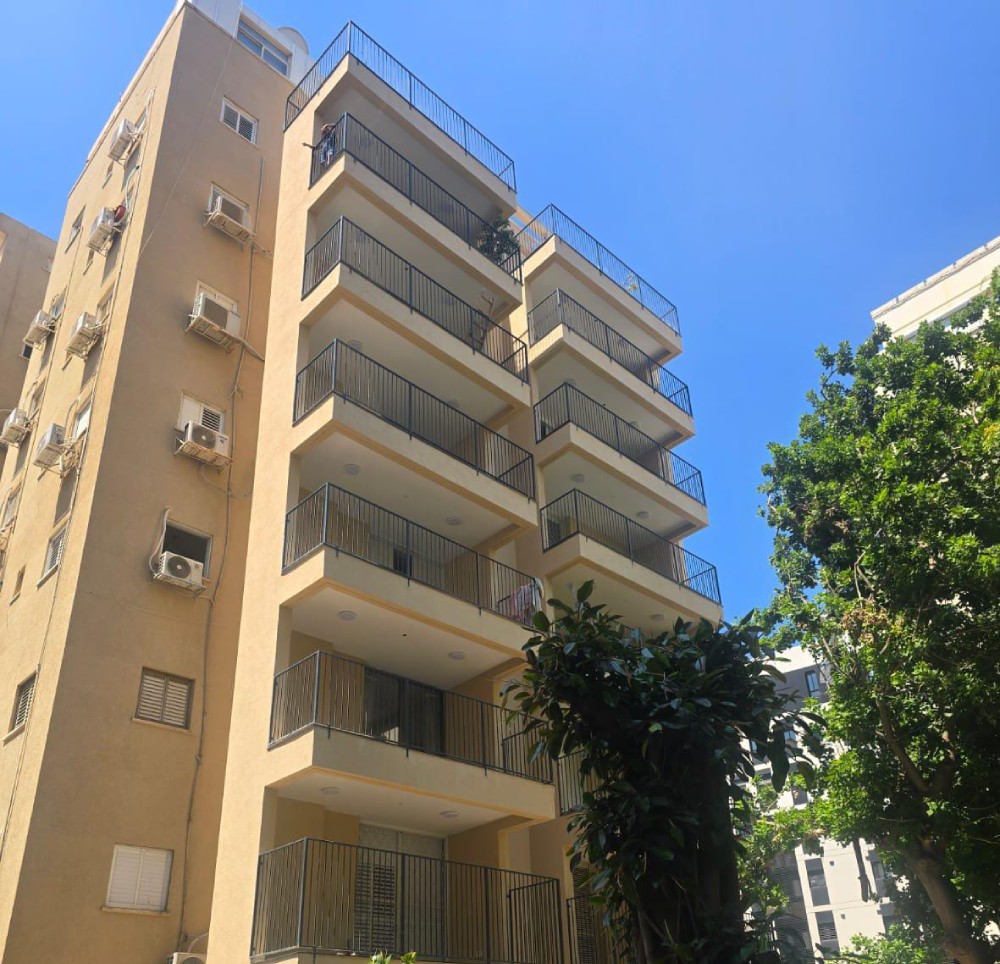
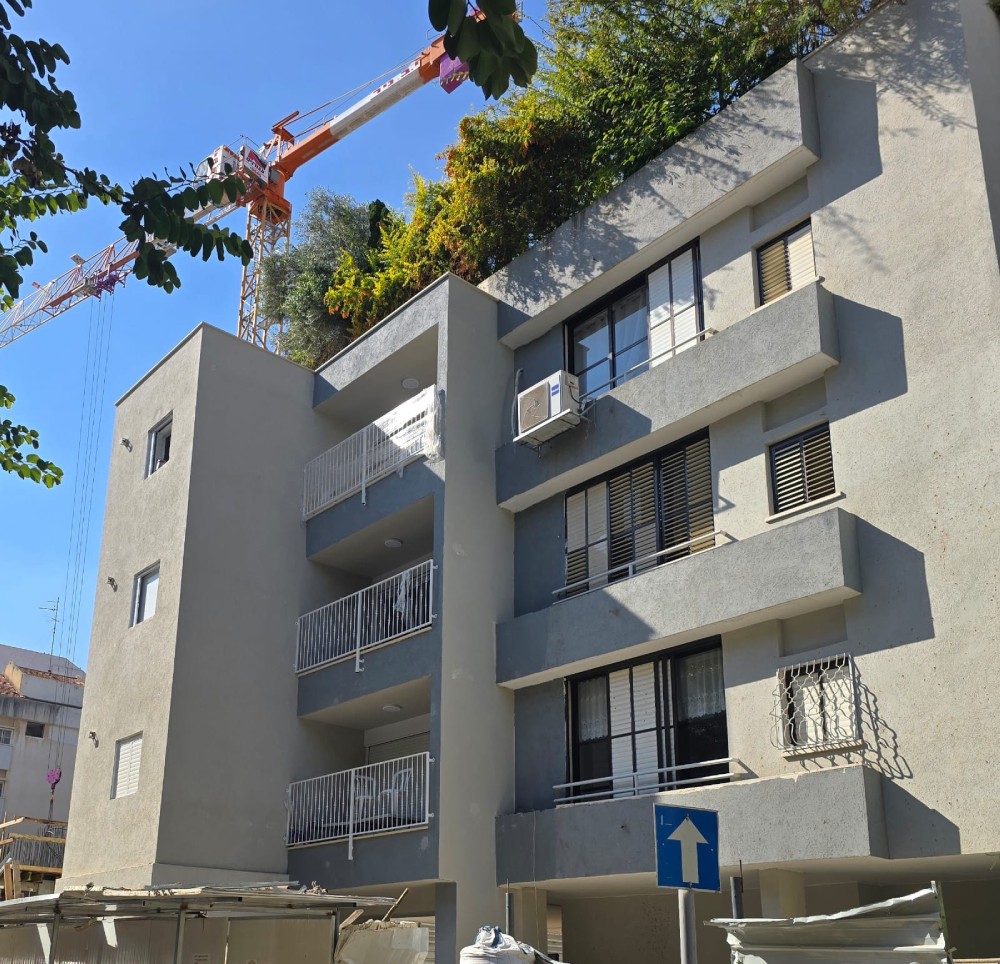
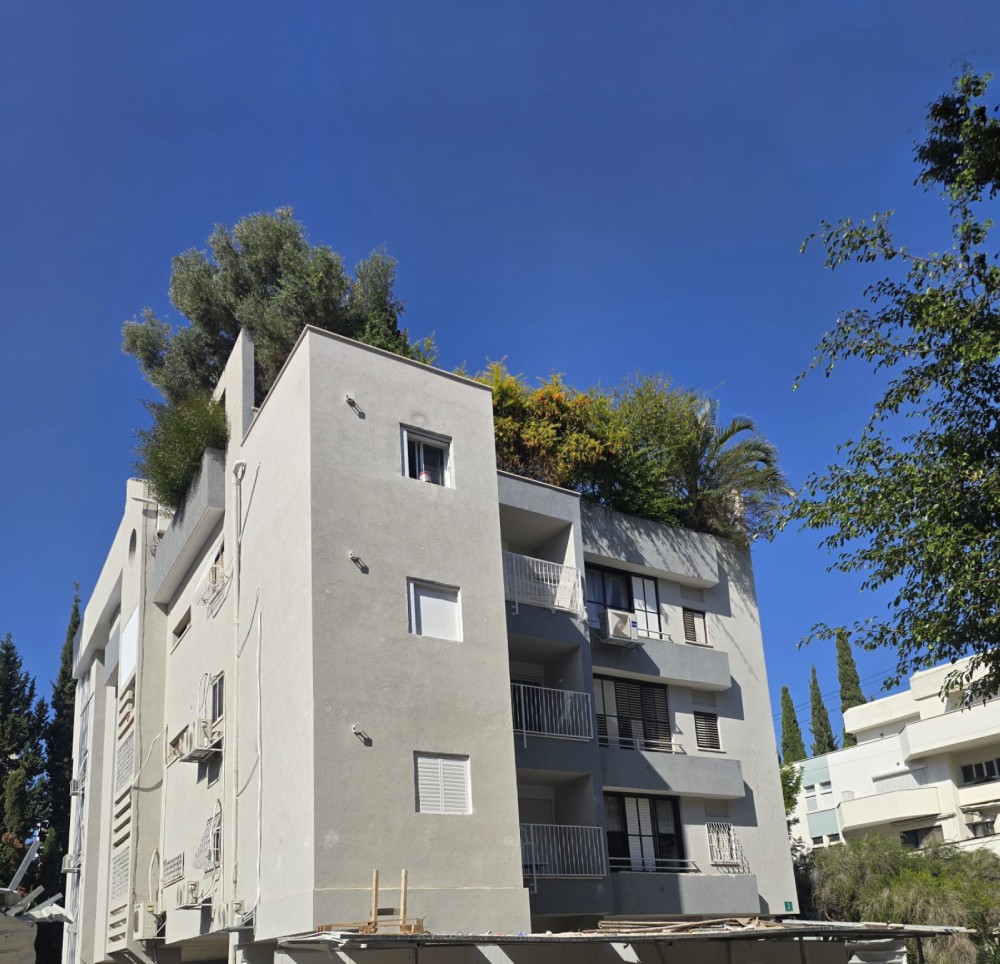
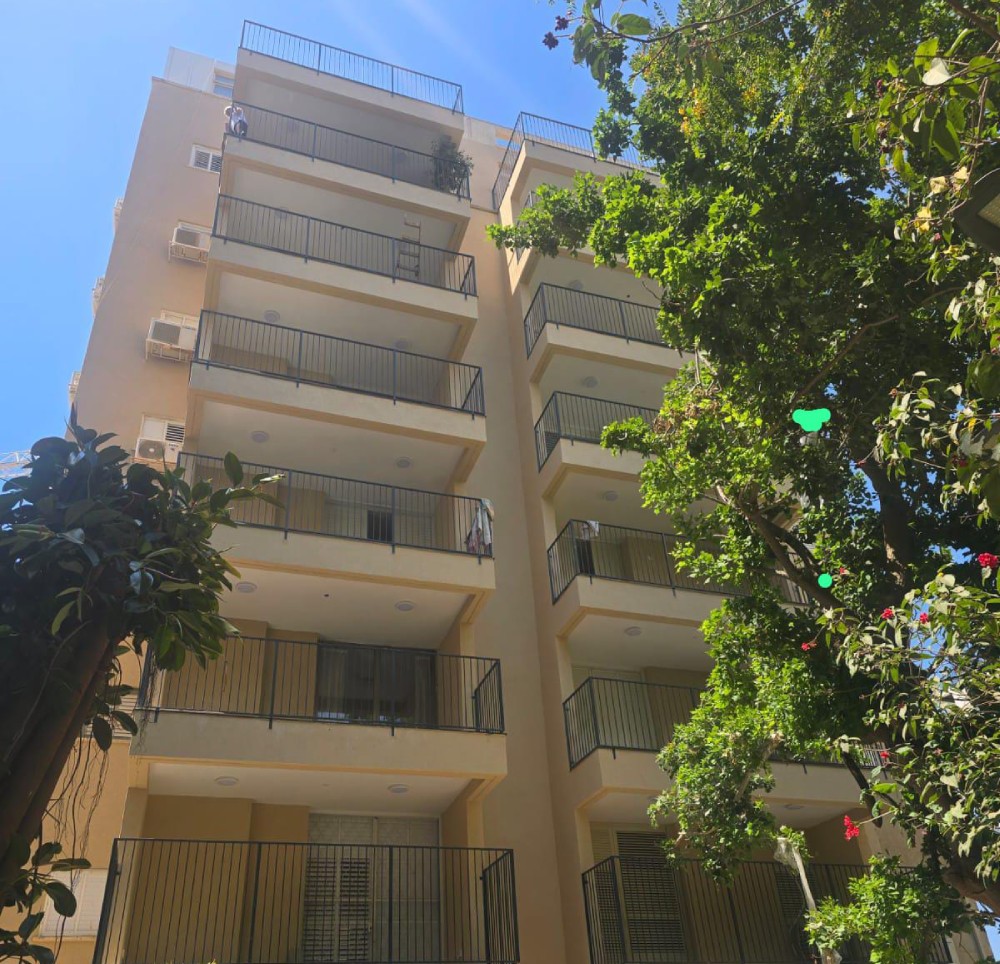
Ramon Engineering & Construction Group is a leading contracting company specializing in building additions, including the addition of balconies to residential buildings. We provide a full professional framework, from the architectural and engineering planning stage, through handling permits with the planning authorities, to flawless execution at the highest standard.
With extensive experience in assisting residents and managing complex projects in occupied buildings, we are committed to transparency, meeting deadlines, and meticulous execution that will increase the value of your property by tens of percent.
Apartment owners are allowed to build a balcony of up to 12 sq.m regardless of the areas approved or used for construction. Some municipalities permit a balcony size of 10% of the apartment’s area or up to 14 sq.m (whichever is larger). In some cases, when a residential building has unused construction areas, the municipality may approve expanding the balcony beyond this limit.
According to the law, a 75% majority of apartment owners in a building is sufficient to carry out a project to construct or expand balconies. However, when assessing the feasibility of a balcony addition or expansion project, it is recommended to involve all residents in the project so that the costs are shared among a larger number of residents, thereby reducing the relative cost for each apartment owner.
There are two common methods for building balconies:
These balconies are built as a single unit with the building’s framework, usually supported by columns that extend down to the ground foundations.
Advantages and disadvantages:
The concrete balcony is the more familiar and traditional method. Concrete, known as a strong and durable material, provides a sense of security and stability for the balcony. However, this method is more complex, requires a longer construction time, and causes disturbances to the surroundings (noise, dust, dirt, and more).
Casting the supporting columns contributes to the building’s strength and stability, making it suitable for older buildings as well.
From a design perspective, the appearance of concrete balconies and columns blends better with the overall look of the building and even expands design options, as a wider variety of interior and exterior finishes can be chosen.
Balconies are manufactured in a factory under strict quality control and installed on-site by anchoring to the existing concrete walls, without the need for columns extending to the ground.
Advantages and disadvantages:
The balcony framework is manufactured in the factory and delivered ready to the construction site, making the assembly and installation process simple, fast, and clean, with minimal disruption to the daily lives of residents and neighbors.
Steel balconies have structural strength, and their light weight does not add load to the building’s foundations. Despite their relative ease, a steel balcony cannot be installed in every building. In cases of prefabricated buildings or older buildings without supporting columns reinforced for earthquake resistance, a hanging balcony may place a load on the foundations. In such cases, the contractor may recommend a concrete balcony that will strengthen the building’s structure.
The construction time for hanging balconies is much shorter than for concrete balconies, and their appearance gives the building a modern and contemporary look.
It is important to note that both types of balconies are good, reliable, high-quality, and safe.
The choice of balcony type should first and foremost be adapted to the existing condition of the building. A structural engineer appointed by the company will determine the type of balcony suitable for your building.
If the engineer determines that both methods are possible, we will recommend the method that, based on our experience, is preferable and better suited for your building, but the final decision will be made by you, the residents.
In recent years, the Planning Director has advanced a series of amendments to the Planning and Building Law (such as the well-known Amendment 101), aimed at simplifying the process of adding balconies.
In 2026, they placed significant emphasis on shortened licensing procedures and easing the calculation of building areas. A balcony up to 12–14 sq.m (depending on the local authority) is considered a right that can be implemented in almost any building, provided that engineering and aesthetic standards are maintained.
Ramon Engineering & Construction Group is fully knowledgeable about all the latest legislative updates. We handle all communications with the local committees on your behalf to ensure you obtain the maximum permit in the shortest possible time.
You have the approval in hand, the plans are ready, and the dream of your morning coffee with a view is closer than ever. Now, all you need is a contractor who knows how to take the plans on paper—and turn them into reality on-site.
We build exactly according to the plans approved in your permit. We ensure full compliance with all architectural and structural standards and guidelines.
We are well-acquainted with the guidelines of various municipalities and their supervision requirements. Our experience with the authorities ensures you peace of mind and a smooth workflow, without unnecessary delays.
As an experienced construction company, we emphasize high-quality materials, meticulous finishes, and maximum safety.
We understand the great responsibility involved in adding to an existing building and are committed to clean, fast, and professional execution.